

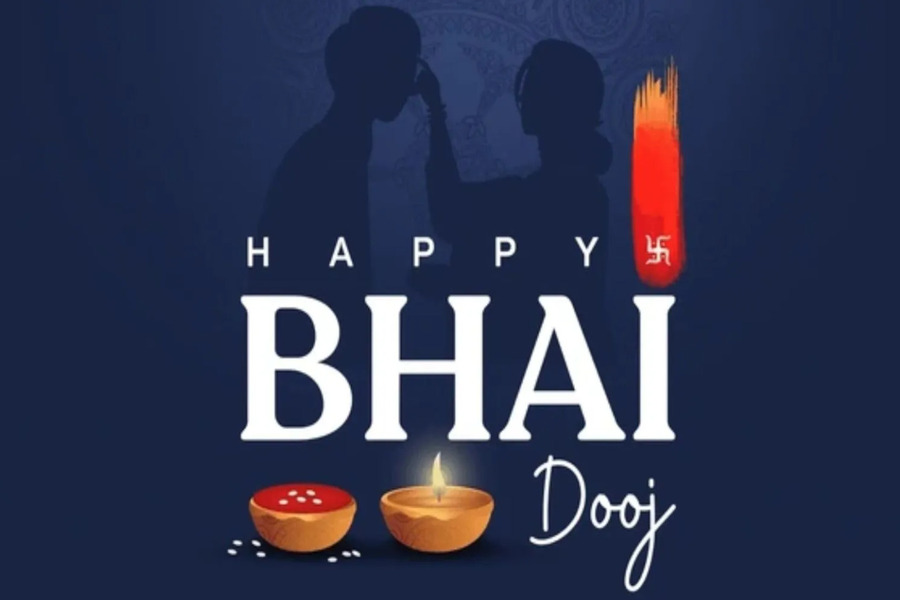
Bhai Dooj: As the fragrance of fresh flowers fills the air and the sound of festive songs echoes through the streets, another shimmering festival approaches on the Indian calendar: Bhai Dooj. This beautiful occasion, celebrated widely across India, holds a special place in the hearts of siblings.
It’s a day dedicated to celebrating the bond between brothers and sisters, adorned with rituals, love, and a promise of protection.
Bhai Dooj: A Glimpse into Its Significance
Bhai Dooj, also known as Bhaiya Dooj, Bhau Beej, Bhathru Dwithiya, or Bhai Phonta in different parts of India, paints a vivid picture of the traditional Indian family system where ties of blood and heart are revered deeply. The festival is marked by the affection sisters express for their brothers’ well-being and the promise of care and protection that brothers vow in return.
This celebration, which falls on the second day of the Shukla Paksha (the bright fortnight of the lunar month) in the Hindu month of Kartik, is the continuation of Diwali festivities, symbolizing prosperity, health, and happiness.
Historical Roots and Mythological Tales
The origins of Bhai Dooj can be traced back to several mythological tales. The most popular one tells the story of Yama, the god of death, and his sister Yami, also known as Yamuna. It is said that Yami welcomed her brother with a tilak (a ceremonial mark) on his forehead, prayed for his long and healthy life, and offered him a meal.
In return, Yama gave his sister gifts as a token of his affection and promised to visit her every year. Thus, Bhai Dooj became a festival symbolizing love, care, and blessings, with the tradition of brothers visiting their sisters on this auspicious day.
Another legend ties Bhai Dooj to Lord Krishna and his sister Subhadra. After vanquishing the demon Narakasura, Krishna visited Subhadra, who welcomed him with sweets and flowers, and adorned him with a tilak. This tale highlights the joy and reverence associated with sibling reunions and celebrations.
Rituals and Traditions: A Day of Love and Reverence
Bhai Dooj is deeply rooted in rituals and traditions that vary slightly across different Indian states but share a common essence. The day begins with sisters preparing a special thali for the tilak ceremony. This thali includes a diya (lamp), roli (sacred red powder), rice grains, sweets, and often presents for their brothers. Here’s a glimpse of the day’s vibrant activities:
- The Tilak Ceremony: The festival’s most significant ritual is the application of a ceremonial mark, or tilak, on the brother’s forehead, using roli and rice grains. This act symbolizes the sister’s prayers for her brother’s long life and prosperity.
- Exchange of Gifts: Sisters gift their brothers with sweets, often homemade, and in return, brothers bestow gifts upon their sisters. These gifts can range from clothing, jewelry, to monetary tokens, reflecting appreciation and love.
- Feasting Together: Special meals are prepared where favorite dishes of both the brother and sister are cooked, transforming the day into a culinary celebration. This feast underscores familial togetherness and shared joy.
- Stories and Songs: Many families narrate tales of sibling loyalty and love, often weaving in folk songs that celebrate the sibling bond. This cultural storytelling enriches the festival with wisdom and entertainment.
Observing Bhai Dooj Across India
While the essence of Bhai Dooj remains consistent, regional variations add a unique flavor to the celebrations:
- In Maharashtra and Gujarat: Known as Bhau Beej, the festival involves a special aarti (ritual of worship with lighted lamp) by sisters for their brothers.
- In West Bengal: Called Bhai Phonta, this version emphasizes elaborate meals and the application of sandalwood paste as tilak.
- In Uttar Pradesh and Bihar: The day is marked by sisters fasting until the end of the tilak ceremony, after which they enjoy a lavish family meal.
The Astrological Aspect: Muhurat 2024
Astrology plays a vital role in Hindu festivals, with specific times considered most auspicious for conducting ceremonies. For Bhai Dooj in 2024, the muhurat, or auspicious timing, enhances the ritual’s spiritual benefits. While exact timings can vary based on geographic location, astrologers typically provide specific durations for performing the tilak ceremony to ensure blessings of health and longevity.
The Timeless Bond: Bhai Dooj in Modern Times
In today’s fast-paced world, Bhai Dooj serves as a gentle reminder of familial bonds and traditional values. Despite geographical distances and busy lifestyles, the festival brings siblings together, fostering love and unity. In many cases, virtual celebrations via video calls have become a norm for those who can’t meet in person, ensuring that the spirit of the festival transcends physical barriers.
Contemporary gifts have also evolved, with options like personalized memorabilia, experiences like concert tickets or spa days, and even tech gadgets becoming popular. Yet, the core objective remains the same: expressing love and appreciation.
Conclusion: Beyond Rituals to Relationships
Bhai Dooj is more than just a festival; it is an ode to the unique bond shared between brothers and sisters. It emphasizes the importance of relationships and family ties in a world that may often overlook these simple yet profound connections. Through its rich traditions and modern interpretations, Bhai Dooj captures the essence of fraternity, love, and shared memories.
As you prepare to celebrate Bhai Dooj in 2024, take a moment to reflect on the shared moments, the laughter, and the inevitable sibling squabbles that define your bond. Whether far or near, let the spirit of Bhai Dooj remind you of the power of family and the timeless connection between siblings.
Read More
- Understanding Govardhan Puja: Traditions and Significance
- Diwali 2024: The Festival of Lights Date Explained
- Krishnakumar Kunnath: The Voice of Indian Cinema
- हिमाचल के शक्तिपीठ कांगड़ा देवी के बारे में जानिए खास बातें
- Naina Devi Mandir: एक प्राचीन शक्तिपीठ
Share this:

Discover more from अपना रण
Subscribe to get the latest posts sent to your email.